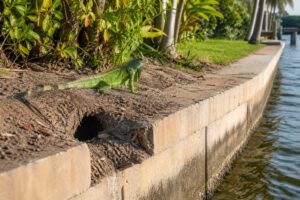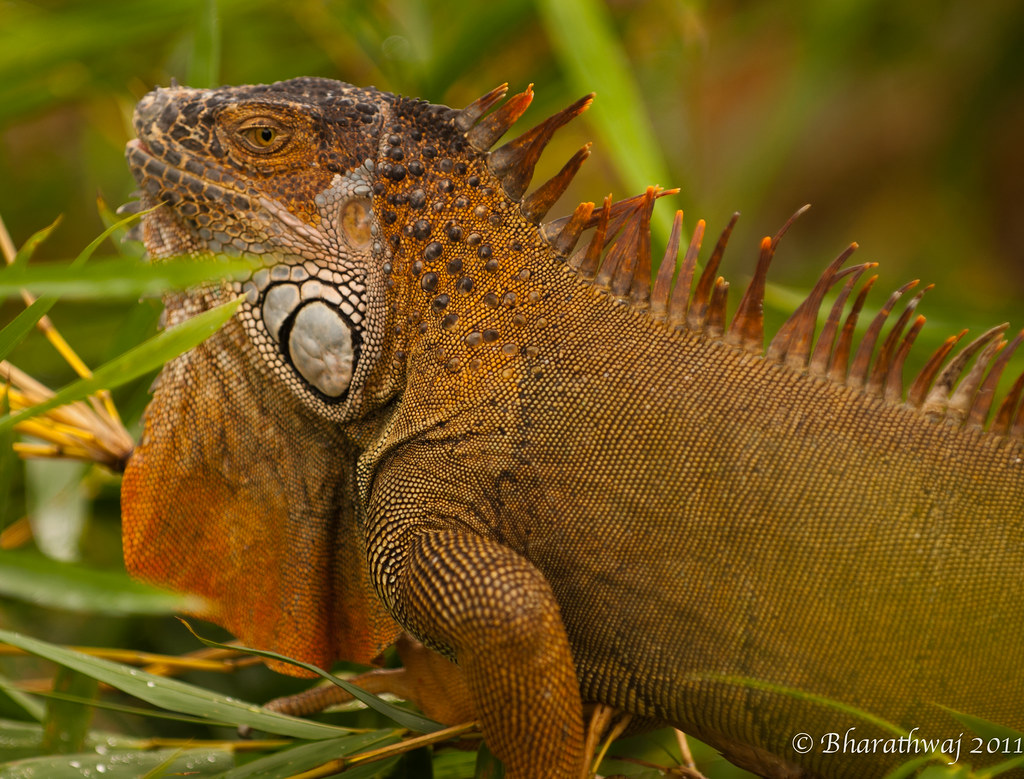
Living in South Florida means sharing our lush yards with a variety of wildlife—iguana included. While these reptiles can be fascinating to observe, their presence often leaves telltale signs in your yard. From distinctive tracks to tail drags, recognizing these clues is the first step toward effective and humane management. This guide will help you identify iguana activity and offer practical advice on safe trapping and removal, all while respecting local regulations and wildlife welfare.
Why Recognize Iguana Tracks and Tail Drags?
Identifying iguana tracks and tail drags in your yard is more than just curiosity—it’s a practical way to assess the extent of their presence. Iguanas can cause damage by digging, eating vegetation, and disturbing landscaping. Early detection through tracks and other signs allows you to address the issue before it escalates.
What Do Iguana Tracks Look Like?
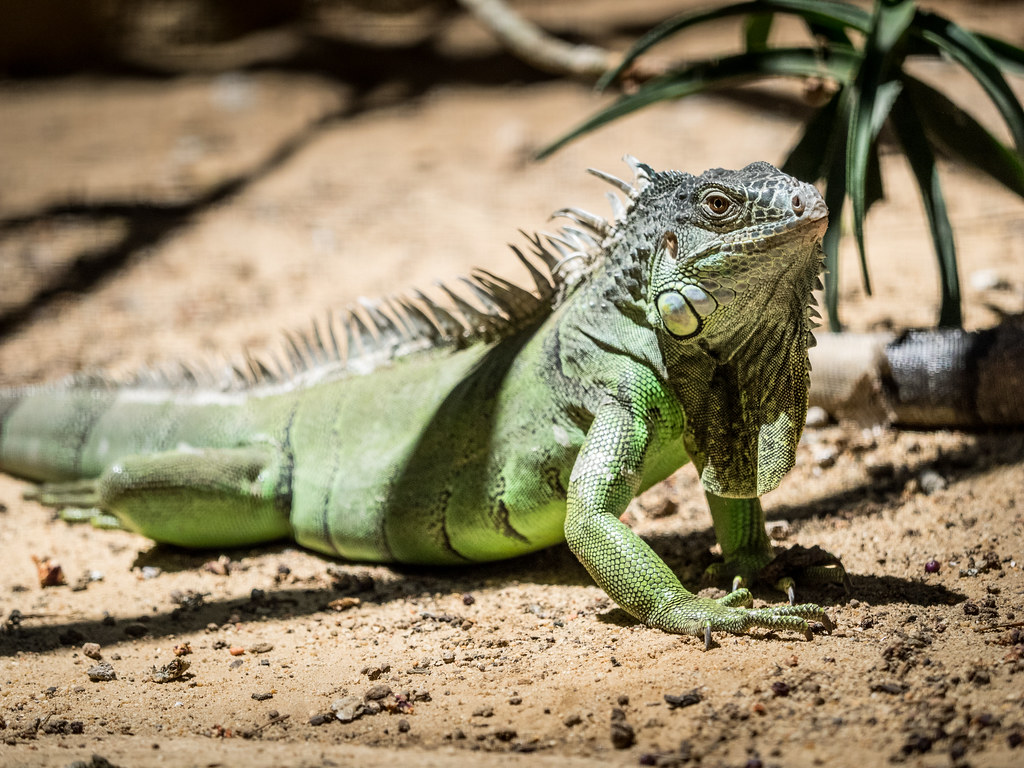
Iguana footprints are unique and fairly easy to spot once you know what to look for. These reptiles have strong toes with sharp claws that leave distinct impressions.
- Shape: Look for elongated tracks with five long toes, each ending in a curved claw mark.
- Size: Tracks vary depending on iguana size but typically measure about 3 to 5 inches long.
- Pattern: Iguanas walk in a sprawling gait, so their prints will often alternate sides with a slight stagger, showing a wide stance.
These tracks are usually found near garden beds, mulch, or sandy soil where the surface holds impressions well.
Understanding Tail Drag Marks
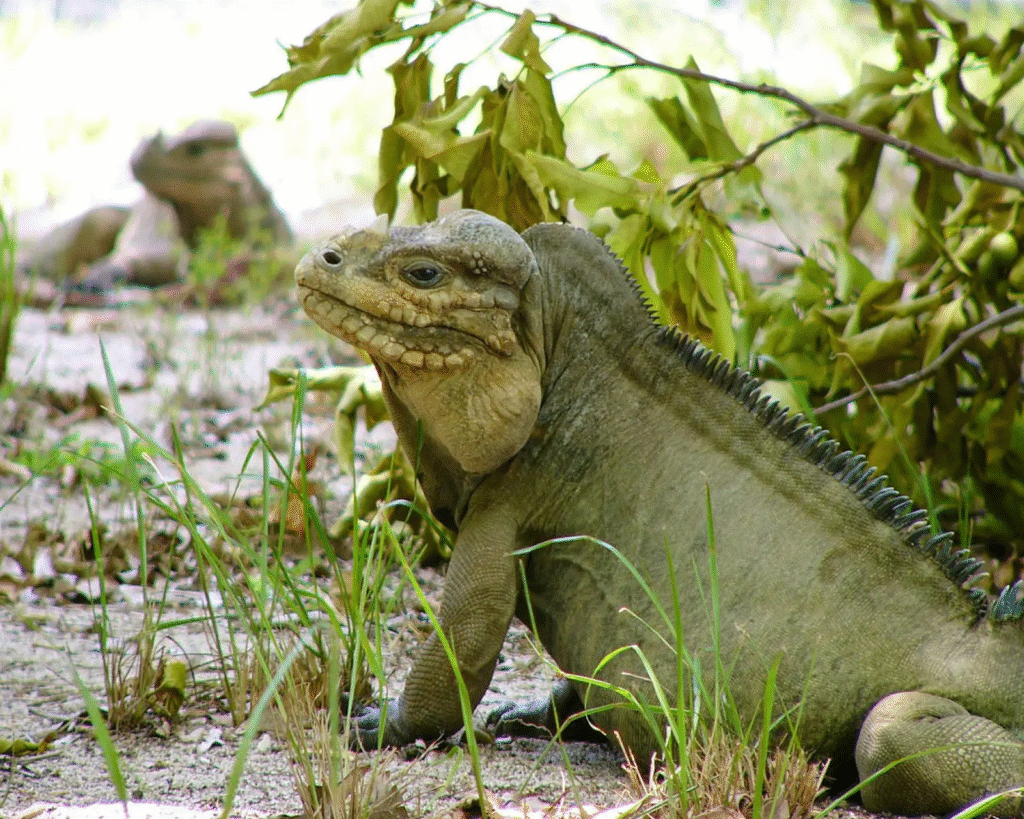
One of the more distinctive signs of iguana activity is the tail drag—a thin, continuous line scratched into soft soil or sand as the iguana moves. These marks can be subtle but are a reliable indicator of iguana passage.
- Tail drags are often smooth, narrow grooves that run parallel to or intersect with the footprints.
- They may appear near burrows or shaded areas where iguanas rest.
- Unlike other lizards, iguana tails are long and thick, making their drag marks broader and easier to detect.
Other Yard Signs to Watch For

Besides tracks and tail drags, iguanas leave additional clues in your yard:
- Burrows: Iguanas often dig shallow holes or tunnels near garden edges or under shrubs.
- Vegetation Damage: Look for chewed leaves, flowers, or fruits, especially on hibiscus, orchids, and other tropical plants.
- Feces: Iguana droppings are usually dark, tubular, and can be found along common paths or near burrows.
- Shedded Skin: As iguanas grow, they shed their skin, which may be found caught on branches or fences.
Safe and Humane Iguana Control in South Florida
Once you’ve confirmed iguana activity, humane control is essential. South Florida regulations emphasize responsible wildlife management, so trapping and removal should be done carefully.
Here are key points to consider:
- Trap Selection: Use live traps designed specifically for iguanas, ensuring the trap is large enough and well-ventilated.
- Baiting: Iguanas are attracted to fresh fruits and vegetables such as mango, melon, or leafy greens.
- Placement: Position traps near burrows or where tracks are most concentrated for better success.
- Check Traps Often: Frequent monitoring is crucial to prevent stress or injury to the animal.
- Follow Local Laws: Never relocate captured iguanas outside of approved areas and avoid releasing them illegally.
Homeowner Safety Tips When Handling Iguana Signs
Handling iguana-related yard issues requires caution since these reptiles can be defensive if cornered.
- Avoid approaching iguanas directly; sudden movements may provoke a tail whip or bite.
- Wear gloves when inspecting burrows or handling traps to protect against scratches.
- Keep children and pets away from iguana areas to prevent accidental encounters.
- Consider professional assistance for trapping and removal to ensure safety and compliance.
FAQ: Common Questions About Iguana Tracks and Yard Signs
How can I tell if the tracks are from an iguana or another lizard?
Iguana tracks are larger with longer toes and claw marks compared to smaller lizard species. The presence of tail drag marks also helps distinguish iguanas.
Are iguanas harmful to my garden?
Yes, iguanas can damage plants by feeding on leaves and fruits and by digging burrows that disturb roots and soil structure.
Is it legal to trap and remove iguanas in South Florida?
Yes, but trapping and removal must comply with local wildlife regulations. Humane methods and proper disposal or relocation practices are important.
Can I prevent iguanas from entering my yard?
While complete prevention is difficult, reducing food sources, securing trash, and minimizing hiding spots can help deter iguanas.
When should I contact a professional for iguana control?
If you notice persistent signs of iguana activity or concerns about safety, contacting experts ensures effective and humane management.
Conclusion: Detecting and Managing Iguana Presence in South Florida Yards
Understanding iguana tracks, tail drags, and other yard signs equips you to identify these reptiles early and take responsible action. In South Florida’s unique ecosystem, humane control aligned with legal guidelines is vital for protecting your property and the wildlife. For expert assistance, contact SoFlo Iguana Pros at (561) 735-1975. Our team specializes in safe, professional iguana removal and humane wildlife solutions tailored to the South Florida environment.