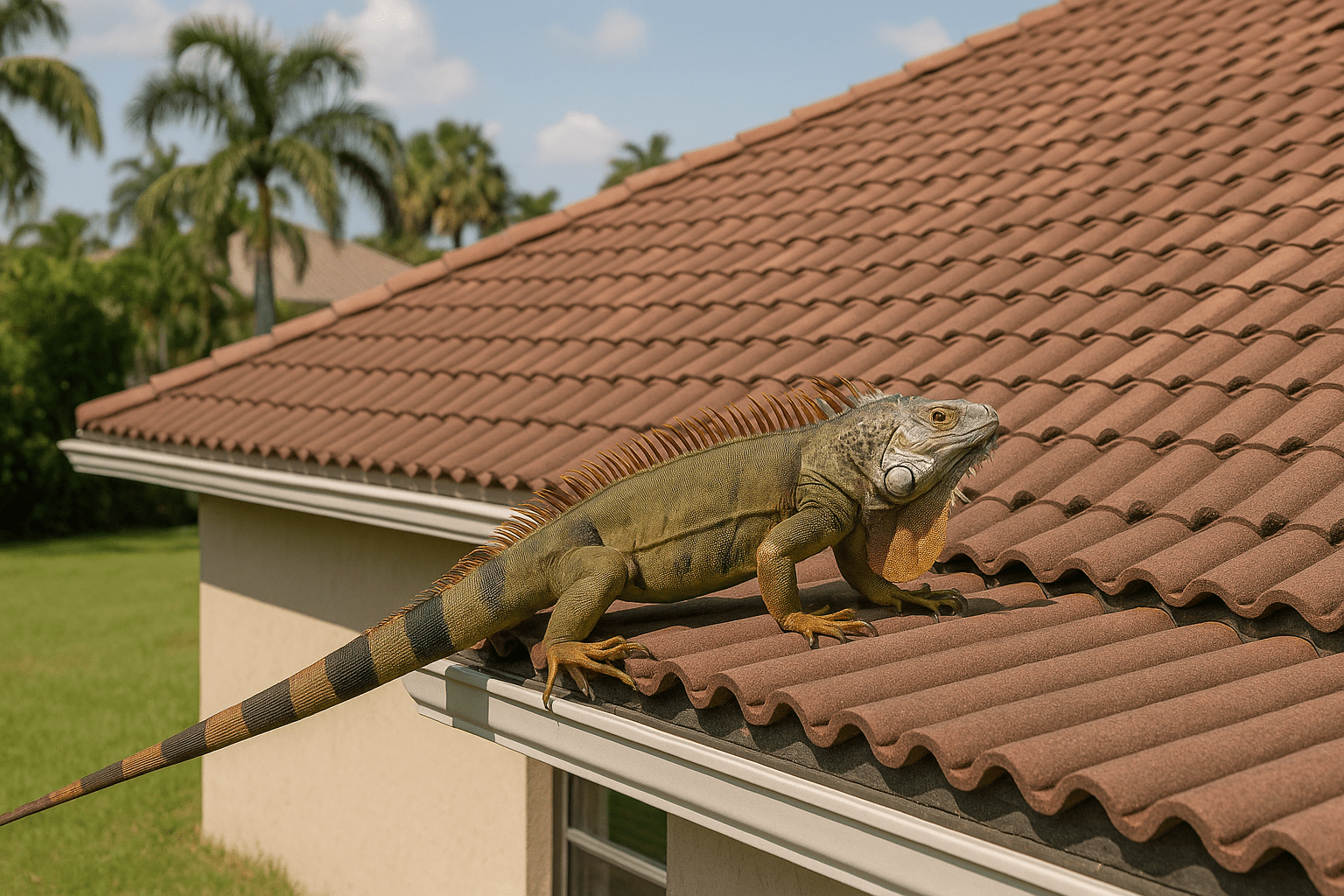
Restaurant patios in South Florida offer an inviting outdoor dining atmosphere, but they also attract iguanas seeking shade and food scraps. While these reptiles are part of the local ecosystem, their presence on patios can create cleanliness challenges and affect customer satisfaction. Understanding how to address iguana problems thoughtfully and legally is essential for restaurant owners and managers looking to maintain an appealing dining environment.
Why Iguanas Are Drawn to Restaurant Patios
South Florida’s warm climate and lush landscaping make restaurant patios a natural hangout for iguanas. These cold-blooded animals are attracted to:
- Shaded areas and cool spots beneath tables and umbrellas
- Vegetation and ornamental plants used for patio décor
- Food scraps or improperly disposed garbage
- Water sources such as fountains or puddles
When iguanas find a comfortable spot with food and shelter, they may repeatedly return, increasing the likelihood of droppings and other nuisances.
The Impact of Iguana Droppings on Patio Cleanliness

Iguana droppings can be a serious cleanliness concern on restaurant patios. These droppings are not only unsightly but can also carry bacteria and parasites that pose health risks. Some of the main issues include:
- Health Hazards: Droppings may harbor Salmonella and other bacteria, potentially contaminating dining areas.
- Unpleasant Odors: Accumulated waste produces odors that deter customers.
- Damage to Surfaces: The acidic nature of droppings can stain or erode furniture and flooring over time.
Regular cleaning is necessary, but prevention through humane wildlife control is the most effective strategy.
How Iguana Presence Affects Customer Experience
While some diners might find iguanas interesting or part of the South Florida charm, many customers perceive them as pests that disrupt a pleasant meal. Common customer concerns include:
- Fear or discomfort around large reptiles
- Concerns about hygiene and food safety
- Distracted or interrupted dining due to iguana activity
Negative reviews or word-of-mouth about iguana nuisances can impact restaurant reputation and repeat business.
Humane and Legal Considerations for Iguana Control
In South Florida, iguanas are classified as invasive species, meaning they can be removed, but only through legal and humane methods. Key points to remember include:
- Using traps designed specifically for iguanas to minimize stress and injury
- Avoiding harmful chemicals or inhumane killing methods
- Complying with local wildlife regulations and permits
- Never releasing captured iguanas back into the wild or other areas
Professional wildlife control companies, like SoFlo Iguana Pros, are experienced in applying these standards safely and responsibly.
Practical Tips for Managing Iguanas on Restaurant Patios
Restaurant owners can take several proactive steps to reduce iguana presence and maintain a clean patio environment:
- Secure Trash and Food Waste: Use iguana-proof bins with tight lids to eliminate easy food sources.
- Limit Attractive Landscaping: Trim dense vegetation or replace edible plants with less appealing alternatives.
- Install Barriers: Consider fencing or netting around patio perimeters to deter entry.
- Set Humane Traps: Place baited traps away from customers to capture iguanas safely for removal.
- Schedule Regular Cleaning: Promptly remove droppings and sanitize patio surfaces daily.
Combining these efforts with professional assistance ensures long-term patio hygiene and a positive dining experience.
Frequently Asked Questions About Iguana Issues on Restaurant Patios
Q: Are iguanas dangerous to customers?
A: Iguanas are generally not aggressive but can bite or scratch if provoked. Most customer concerns relate to cleanliness rather than direct danger.
Q: Can I handle iguana removal myself?
A: While minor deterrence is possible, trapping and removal require knowledge of local laws and humane methods. Professional help is recommended.
Q: What bait works best in iguana traps?
A: Fresh fruits like mango, papaya, or berries are effective baits that attract iguanas without harming them.
Q: How often should patios be checked for droppings?
A: Daily inspections and cleaning are ideal, especially during warmer months when iguana activity peaks.
Q: Is it legal to relocate iguanas after capture?
A: No. Relocation is prohibited as it can harm ecosystems. Captured iguanas must be surrendered to authorized wildlife agencies or handled by licensed professionals.
Protect Your South Florida Restaurant Patio Today
Maintaining a clean, inviting patio free from iguana droppings is essential for a great customer experience. With South Florida’s unique wildlife challenges, partnering with experts who understand humane, legal iguana control makes all the difference. SoFlo Iguana Pros specializes in safe trapping and removal tailored to commercial properties. Call us at (561) 735-1975 to discuss your patio’s iguana concerns and keep your outdoor dining space welcoming and spotless.