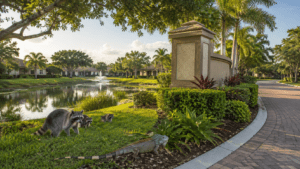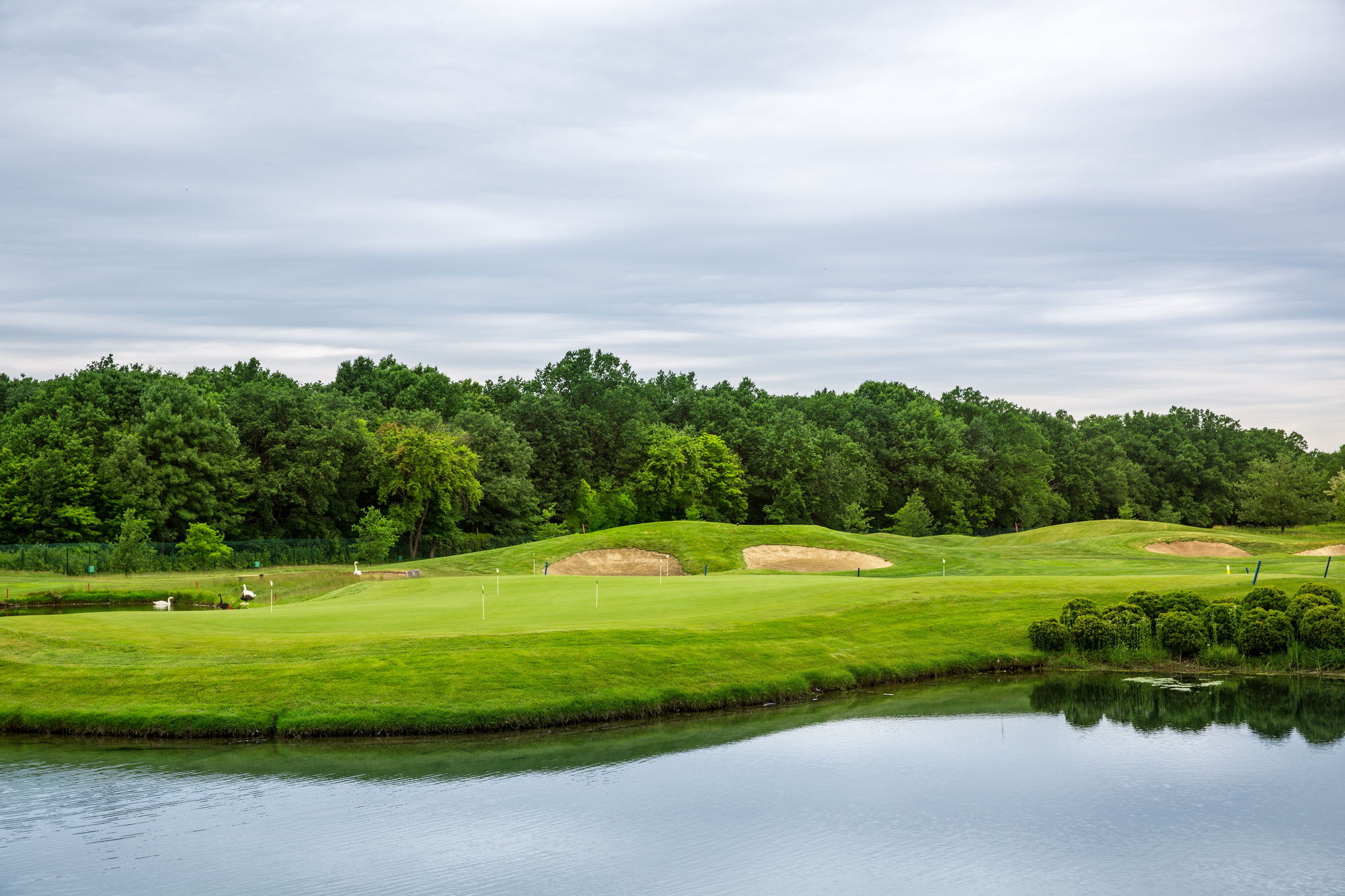
South Florida’s golf courses are prized for their lush greens and scenic lakes, offering an ideal environment for outdoor recreation and wildlife alike. Among the many creatures that thrive here, invasive green iguanas have become a growing concern for golf course managers and homeowners associations. These reptiles pose risks to turf, lakeside areas, and even underground infrastructure through their burrowing habits. Understanding how iguanas affect golf courses and managing their presence humanely is essential to preserving course quality and safety.
Why Iguanas Favor Golf Courses in South Florida
Golf courses provide an attractive habitat for green iguanas due to several key factors:
- Abundant vegetation: Iguanas feed on the lush grasses, flowers, and shrubs maintained on and around golf courses.
- Water sources: Lakes, ponds, and irrigation canals offer hydration and basking sites near water.
- Open sunlit areas: Iguanas are cold-blooded and rely on sun exposure to regulate their body temperature.
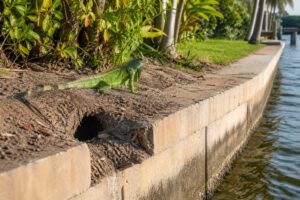
- Burrowing opportunities: Soft soils near greens and lake shores make ideal spots for digging dens.
Because of these factors, iguanas often become frequent guests on the fairways and surrounding landscape.
How Iguanas Affect Greens and Landscaping
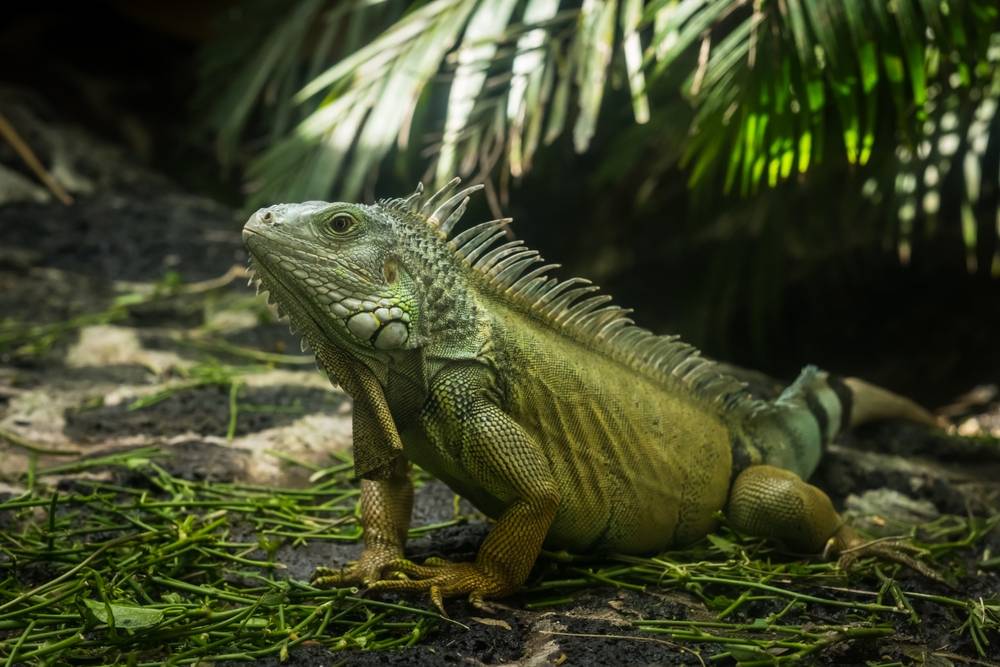
While green iguanas are primarily herbivores, their feeding habits can damage golf course turf and ornamental plants. They may:
- Nibble on young grass shoots, compromising turf integrity.
- Consume flowers and foliage, impacting landscaping aesthetics.
- Create burrows near greens or tees, destabilizing soil and creating tripping hazards.
Over time, these activities can lead to visible damage, increased maintenance costs, and safety risks for golfers.
Lakeside Risks: Burrows and Water Contamination
Golf course lakes provide iguanas with habitat and escape routes from predators. However, the burrowing behavior of iguanas along lake banks can cause:
- Bank erosion and destabilization, leading to sediment runoff into water bodies.
- Potential damage to irrigation pipes or drainage systems running near water edges.
- Contamination risks if burrows allow sediment or debris to enter water features, affecting water quality.
Maintaining lake integrity is vital for course aesthetics and environmental health.
Humane and Legal Iguana Control on Golf Courses
Managing iguana populations requires a balance of effectiveness and compliance with South Florida wildlife regulations. Key points to consider include:
- Humane trapping: Use live-capture traps designed specifically for iguanas to avoid injuring the animals or other wildlife.
- Proper bait: Iguanas respond well to fresh fruits and vegetables such as mango, papaya, or leafy greens placed inside traps.
- Placement: Position traps near burrow entrances, feeding areas, or basking spots to increase capture success.
- Monitoring: Check traps frequently to minimize stress on captured iguanas and prevent accidental capture of non-target species.
- Regulatory compliance: Follow South Florida guidelines for handling and relocating iguanas, avoiding illegal transport or release that may exacerbate invasive populations.
When in doubt, professional wildlife control services experienced in iguana removal can ensure humane and lawful practices.
Preventative Measures to Protect Course Greens and Lakes
Beyond removal, golf courses can implement strategies to deter iguanas and reduce habitat suitability:
- Landscape modification: Minimize dense vegetation near greens and water edges to reduce cover and feeding spots.
- Physical barriers: Install fencing or mesh barriers around vulnerable areas to limit iguana access.
- Regular inspections: Monitor for signs of burrowing or plant damage and address early.
- Water management: Maintain lake banks to prevent easy burrowing and erosion.
Consistent effort in these areas helps maintain course quality and safety.
FAQ: Common Questions About Iguanas on Golf Courses
Q1: Are green iguanas dangerous to golfers?
Typically, iguanas are not aggressive and avoid humans, but their burrows can create tripping hazards, so caution is advised.
Q2: Can I remove iguanas myself?
While some may attempt trapping, it’s important to use humane methods and follow local regulations. Professional removal ensures safety and compliance.
Q3: How do I know if iguanas are burrowing near the greens?
Look for holes 3 to 6 inches wide in soft soil near turf or lake edges, often accompanied by tracks or droppings.
Q4: What bait works best for trapping iguanas?
Fresh fruits like mango, papaya, or leafy greens are highly effective in attracting iguanas to traps.
Q5: Is it legal to relocate iguanas in South Florida?
Relocation rules vary; it’s critical to follow local wildlife agency guidelines to avoid fines and ecological harm.
Protect Your South Florida Golf Course with SoFlo Iguana Pros
Green iguanas can pose unique challenges to golf courses in South Florida, affecting greens, lakes, and safety. Effective management requires knowledgeable, humane approaches tailored to local conditions. At SoFlo Iguana Pros, we specialize in iguana removal and control strategies designed for golf courses and commercial properties. If you’re dealing with iguana-related damage or want to prevent future issues, call us at (561) 735-1975. Trust our experienced team to help keep your South Florida golf course pristine and iguana-free.