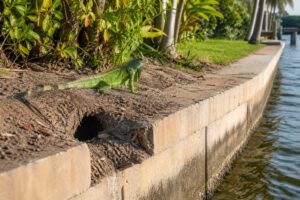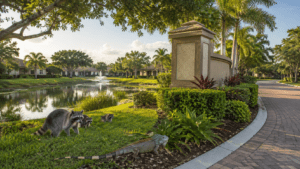
In South Florida, apartment communities often face unique challenges when it comes to managing local wildlife—especially iguanas. These large reptiles are attracted to lush landscaping and warm environments, which are common features around apartment pool areas. Left unchecked, iguana activity can result in property damage, landscaping destruction, and safety concerns for residents. This article provides a practical prevention checklist tailored to apartment complexes, helping property managers and HOA boards reduce iguana problems while respecting humane and legal standards.
Understanding Why Iguanas Are Drawn to Apartment Communities
Iguanas thrive in environments that offer ample food, shelter, and warmth. Apartment communities in South Florida often provide all three: well-maintained landscaping with tropical plants, shaded areas near pools, and warm concrete surfaces perfect for basking. Recognizing these attractants is the first step in prevention.
Landscaping Adjustments to Deter Iguanas
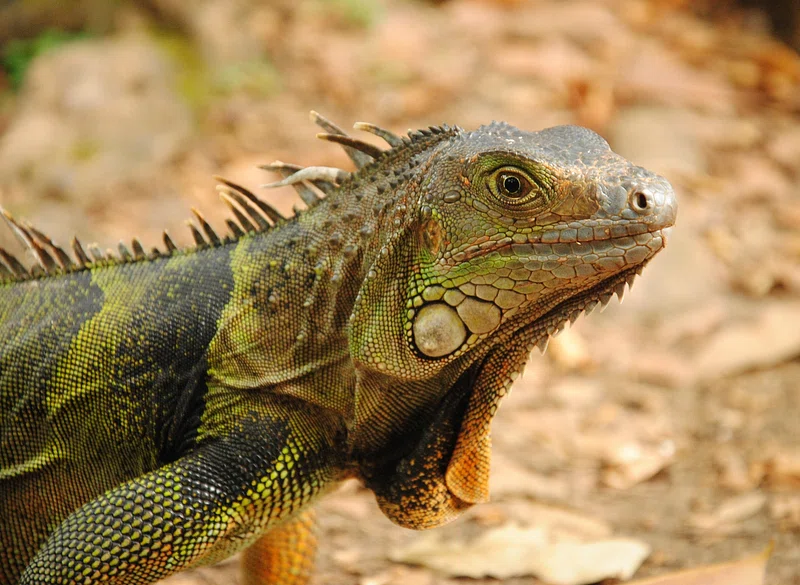
Since iguanas are herbivores, they feed on tender leaves, flowers, and fruit. To minimize their interest, consider the following landscaping strategies:
- Replace or limit iguana-preferred plants such as hibiscus, crotons, and plumeria.
- Use native, less palatable plants that thrive in South Florida but don’t attract iguanas.
- Regularly prune shrubs to reduce thick hiding spots.
- Remove fallen fruit or fallen leaves promptly, which can attract iguanas.
These measures can make your landscaping less inviting without compromising the aesthetics your residents enjoy.
Pool Area Maintenance and Design Considerations
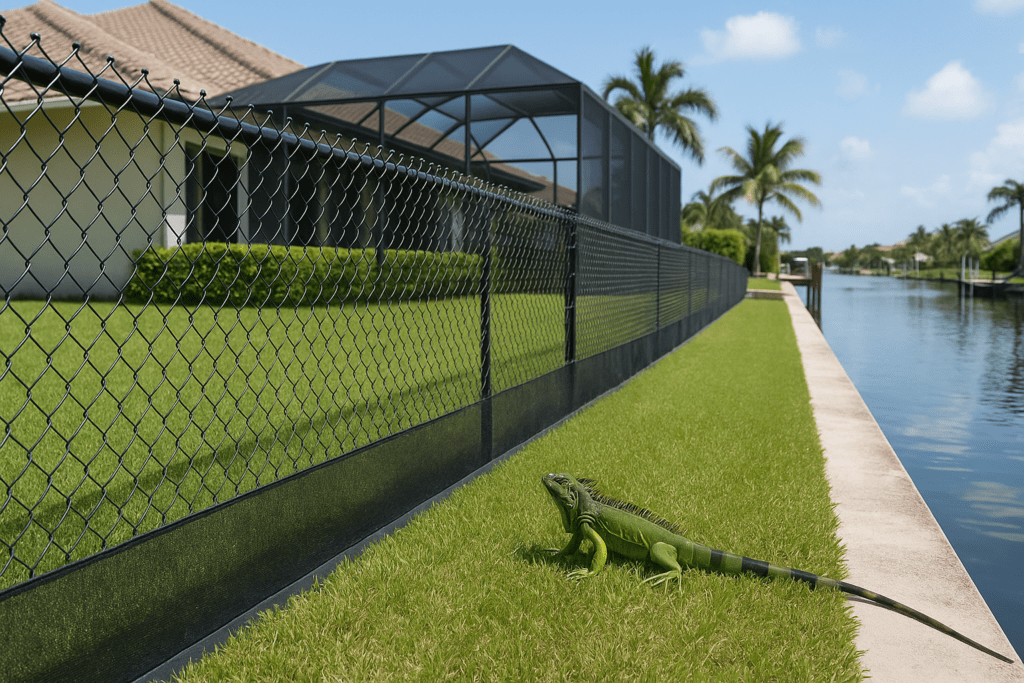
Pool decks and surrounding areas provide warmth and refuge for iguanas. To reduce their presence:
- Keep poolside furniture and storage areas tidy to limit hiding spots.
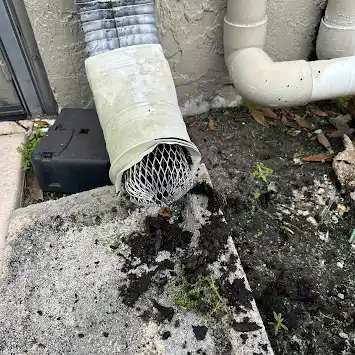
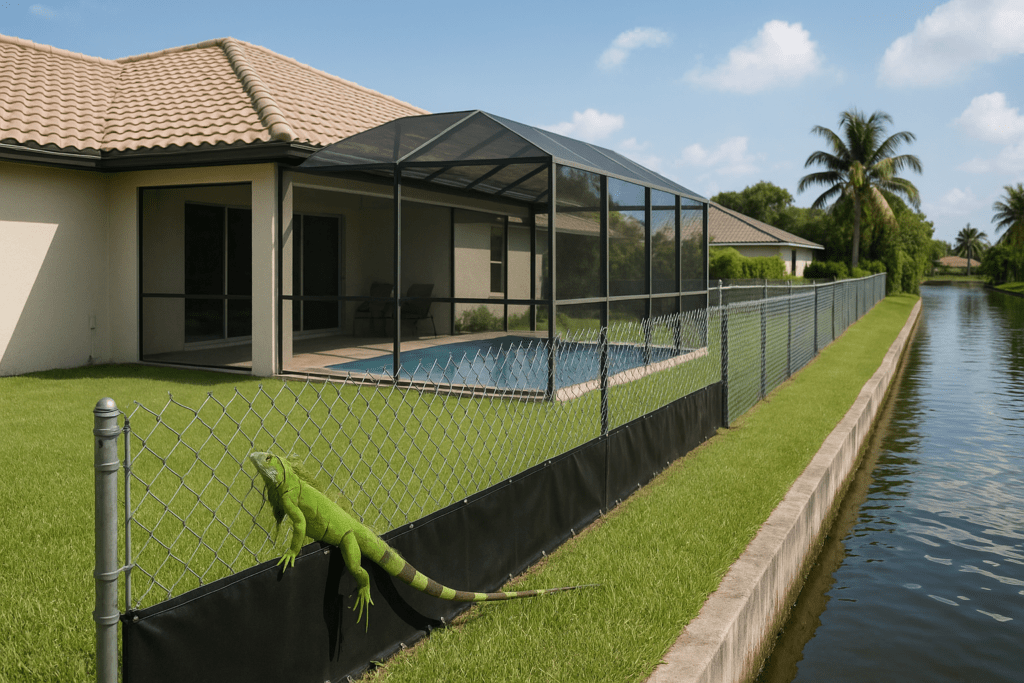
- Install barriers or fences that are difficult for iguanas to climb or squeeze through.
- Consider landscaping away from immediate pool edges to reduce access points.
- Use motion-activated sprinklers or lighting as gentle deterrents, which can discourage iguanas without causing harm.
Safe and Legal Iguana Trapping: What Property Managers Should Know
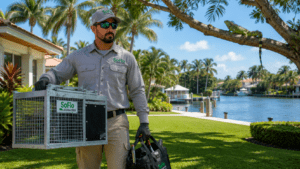
When prevention is not enough, trapping iguanas may become necessary. However, it’s critical to adhere to South Florida’s wildlife regulations and prioritize humane treatment. Property managers should:
- Use live traps specifically designed for iguanas.
- Place traps in shaded, low-traffic areas near iguana activity zones.
- Select bait carefully—fresh fruits like mango, papaya, or banana work well.
- Check traps frequently to minimize stress on captured animals.
- Consult with local wildlife professionals to ensure compliance with state laws and humane handling standards.
Improper trapping or relocating iguanas without permits can cause ecological issues and legal problems.
Community Education and Resident Involvement
Engaging residents can be a powerful tool in iguana prevention. Encourage tenants to:
- Avoid feeding iguanas or leaving food scraps outside.
- Report sightings promptly to management.
- Keep balconies and patios free of items that could attract or shelter iguanas.
Regular communication about wildlife policies fosters a cooperative atmosphere and helps maintain a safe, iguana-free environment.
FAQ: Common Questions About Iguanas in Apartment Communities
Q1: Are iguanas dangerous to residents?
Generally, iguanas are not aggressive but can bite or scratch if provoked. Children and pets should be supervised around them.
Q2: Can I legally trap and remove iguanas myself?
South Florida has regulations regarding wildlife trapping. It’s best to consult professionals to ensure humane and legal removal.
Q3: What is the best bait for iguana traps?
Fruits like mango, papaya, or banana are highly effective in attracting iguanas to traps.
Q4: How often should traps be checked?
Traps should be monitored at least daily to reduce stress and ensure humane treatment.
Q5: Can landscaping alone solve iguana problems?
While landscaping adjustments help reduce attractants, combining multiple strategies yields the best results.
Conclusion: Keeping Apartment Communities Iguana-Free in South Florida
Managing iguana problems in apartment communities requires a thoughtful, multi-pronged approach focused on prevention, humane control, and resident cooperation. By modifying landscaping, maintaining pool areas carefully, and following legal trapping guidelines, property managers can protect their communities without harming local wildlife. For expert assistance tailored to South Florida’s unique environment, contact SoFlo Iguana Pros at (561) 735-1975. Our team is dedicated to humane, effective iguana control that preserves the safety and enjoyment of your apartment community.