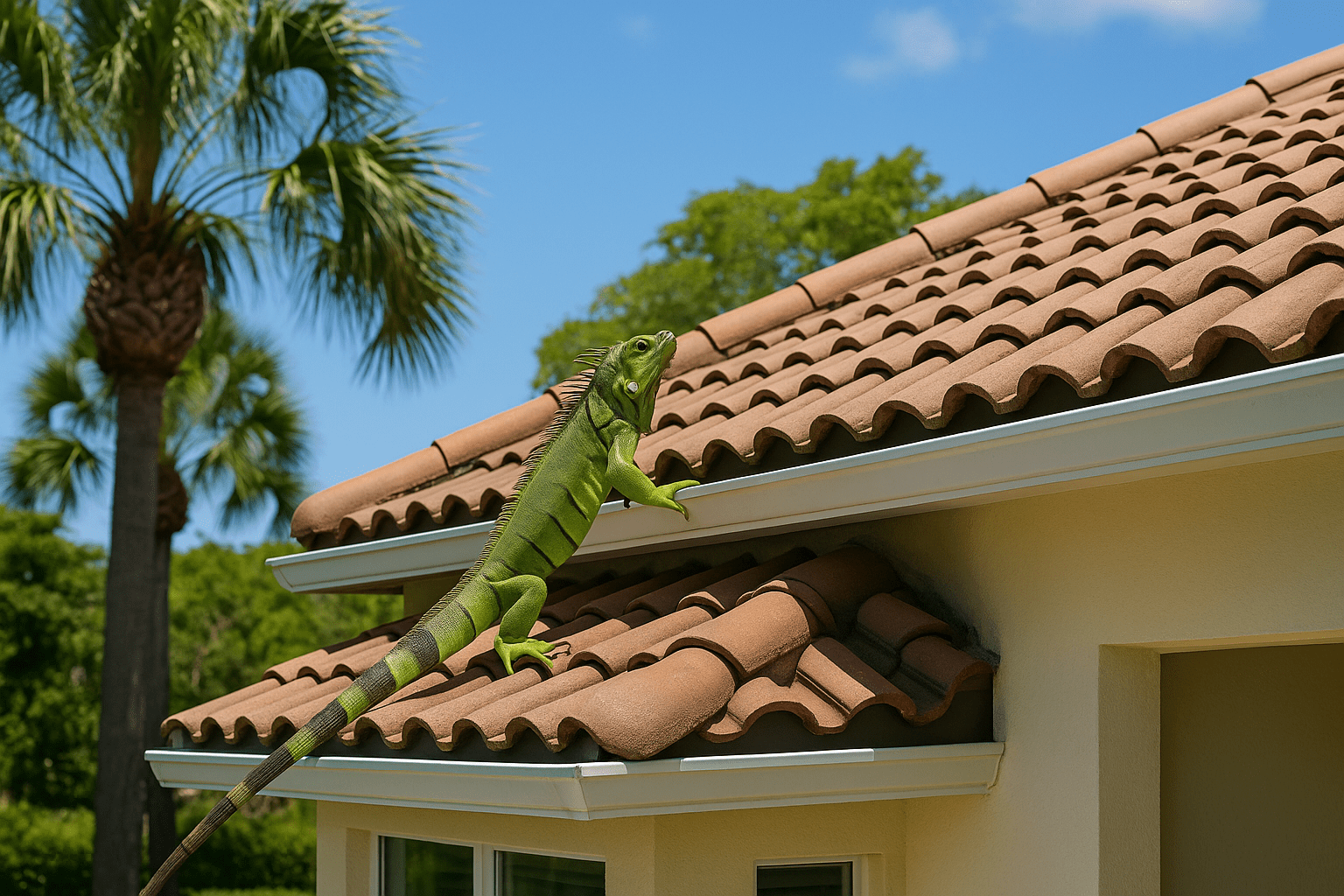
In South Florida, it’s common to spot iguanas perched on rooftops, soaking up the sun. But have you ever wondered why these reptiles favor roof tiles for basking? Understanding this behavior helps homeowners coexist peacefully and manage iguana activity humanely and safely. This article explores the reasons behind iguanas’ rooftop basking habits, the role of heat and roof tile surfaces, and practical tips for addressing iguanas on your property.
Why Do Iguanas Bask?
Iguanas are cold-blooded reptiles, meaning they rely on external heat sources to regulate their body temperature. Basking is essential for their metabolism, digestion, and overall activity. When iguanas find an ideal warm spot, like a sunny roof, they can raise their body temperature efficiently. This enables them to stay alert, digest food properly, and maintain vital bodily functions.
The Appeal of Roof Tiles in South Florida
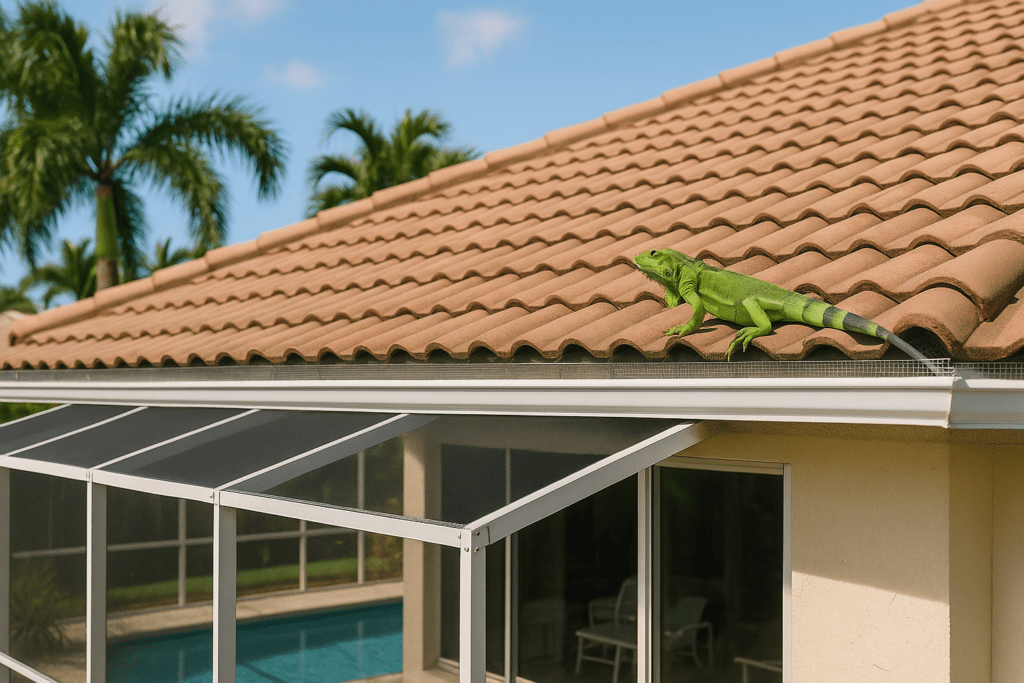
South Florida’s climate provides plenty of sunshine, but roof tiles offer unique advantages for iguanas looking to bask:
- Heat retention: Clay and concrete tiles absorb and retain heat throughout the day, releasing it slowly even as the sun sets.
- Elevation and safety: Being on a roof gives iguanas a vantage point, making it easier to spot predators and disturbances.
- Dry surface: Roof tiles remain dry and warm, unlike shaded or damp ground areas.
These factors make roof tiles an ideal basking platform, especially during cooler mornings or after rain.
How Heat Influences Iguana Behavior
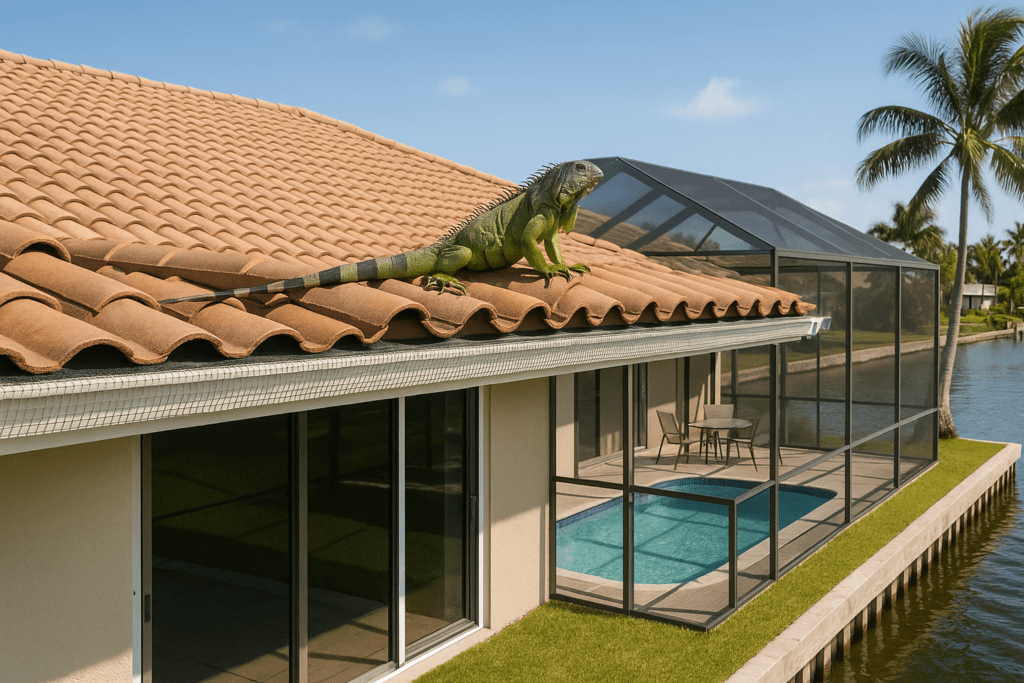
Temperature plays a critical role in iguana activity. Optimal basking temperatures range between 85°F and 95°F. Roof tiles in South Florida frequently reach this range during daylight hours, making them perfect sunning spots. When temperatures rise above this, iguanas often retreat to shaded areas or water to prevent overheating.
Homeowners should note that iguanas may become more active and visible during mild, sunny days when basking conditions are ideal.
Humane Approaches to Managing Roof Iguanas
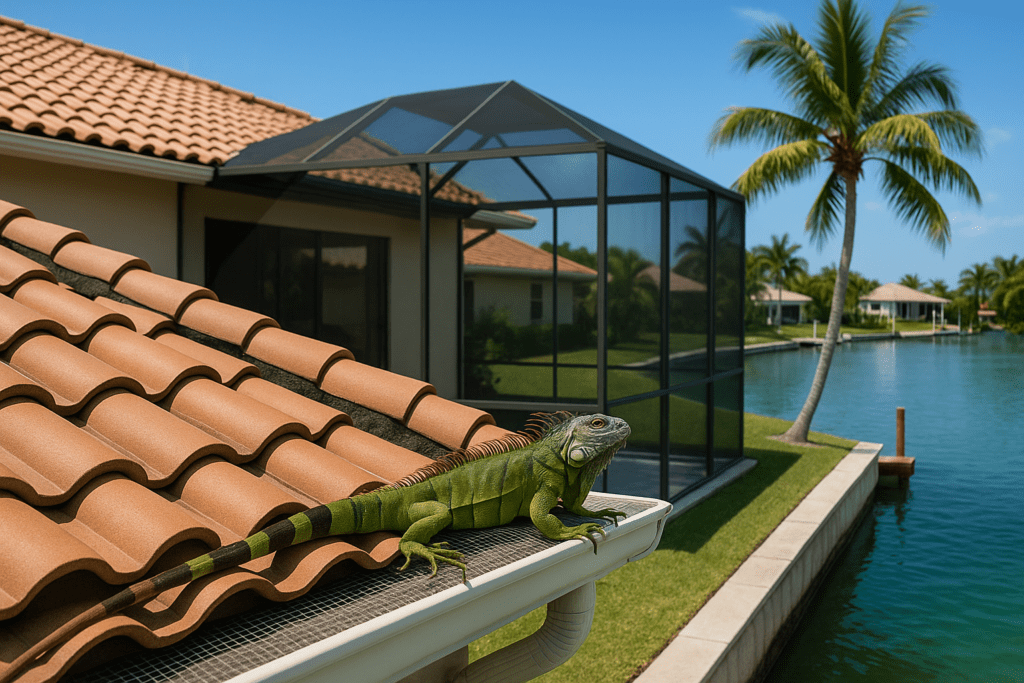
If iguanas are causing concern by frequenting your roof, it’s important to handle the situation humanely and legally. Here are some key points to consider:
- Do not attempt to capture or relocate iguanas yourself without proper knowledge. South Florida has regulations protecting wildlife, and improper handling can harm both the animal and you.
- Consult professionals with experience in safe iguana removal. Humane wildlife control companies know how to set traps, select bait, and relocate animals responsibly.
- Seal entry points and trim overhanging branches. Limiting access to your roof reduces iguana visits.
- Consider deterrents such as motion-activated sprinklers or visual repellents. These methods discourage iguanas without causing harm.
Setting Up Safe Iguana Traps
Trapping iguanas can be effective but requires care to ensure the animal’s safety and compliance with regulations. When setting traps on or near your roof:
- Use traps designed specifically for iguanas to avoid injuring them.
- Place bait such as fresh fruits (mango, papaya) inside the trap to attract iguanas.
- Check traps frequently to minimize stress on captured animals.
- Work with licensed professionals to handle trapped iguanas appropriately.
Preventing Iguanas From Returning to Your Roof
Once iguanas are removed, prevent future visits by making your roof less attractive:
- Trim trees and vegetation near your roof that iguanas use as access routes.
- Regularly inspect for gaps or openings where iguanas might hide or enter.
- Remove food sources such as fallen fruit or accessible garden plants.
- Consider installing physical barriers or repellents where allowed.
FAQ: Common Questions About Iguanas on Roofs
Q: Are iguanas dangerous on roofs?
A: Iguanas are generally not aggressive, but their droppings can damage roof materials and create slip hazards. They may also attract unwanted wildlife.
Q: Can I remove an iguana myself?
A: It’s best to rely on professionals to ensure humane and legal removal, avoiding harm to both you and the iguana.
Q: Do iguanas cause damage to roof tiles?
A: While iguanas don’t typically damage tiles directly, their weight and movement can loosen tiles over time, and their droppings may cause staining or deterioration.
Q: How can I safely discourage iguanas from my roof?
A: Use habitat modification, deterrents, and professional advice. Avoid harmful repellents or methods that injure wildlife.
Contact SoFlo Iguana Pros for Expert Help
If iguanas are making your South Florida roof their favorite sunning spot and you need humane removal or prevention advice, SoFlo Iguana Pros is here to help. Our experienced team understands local iguana behavior and follows all regulations for safe, effective control. Call us today at (561) 735-1975 for professional iguana management tailored to your property’s needs.