In South Florida, iguanas are a common sight, but dealing with their presence often requires humane trapping and removal. However, weather conditions play a significant role in determining how successful trapping efforts will be. Whether you’re a homeowner managing an iguana issue or a professional involved in wildlife control, understanding how cold snaps, rain, and heat influence iguana behavior can vastly improve trapping outcomes.
Understanding Iguana Behavior and Weather Patterns
Iguanas are cold-blooded reptiles, meaning their body temperature and activity levels are closely tied to the environment. In South Florida’s subtropical climate, temperature fluctuations and weather changes impact their feeding, movement, and hiding habits—all critical factors for effective trapping.
How Cold Snaps Influence Iguana Activity

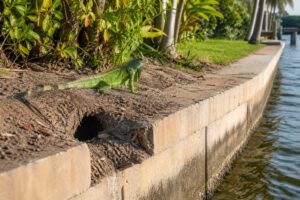
South Florida occasionally experiences cold snaps, where temperatures drop below 50°F for several hours or days. During these times, iguanas become lethargic and often seek shelter under debris, inside burrows, or in dense foliage. This reduced movement means:
- They are less likely to approach traps baited with food.
- Trapping efforts may take longer or yield fewer captures.
- Safety precautions are needed to avoid stressing cold-trapped iguanas, which can harm their health.
For homeowners, it’s best to delay trapping during cold snaps or focus on habitat modification to discourage iguanas until warmer weather returns.
The Effect of Rain on Trapping Success

Rainy days and wet conditions can also impact iguana activity. While iguanas do not avoid rain entirely, heavy or prolonged rainfall often leads them to shelter locations. Additionally, wet weather affects bait selection and trap placement:
- Fruits and vegetables used as bait may spoil faster or lose scent in rain.
- Traps placed in low-lying or muddy areas can become less stable or visible.
- Safety for both iguanas and humans must be considered to prevent slipping or trap damage.
Adjusting traps to covered or sheltered areas and using more pungent, water-resistant bait options can improve trapping outcomes during rainy periods.
Warm and Sunny Weather: Prime Time for Trapping

Warm, sunny days in South Florida are ideal for iguana trapping. Iguanas thrive in temperatures between 80°F and 95°F, becoming highly active and feeding more frequently. This increased activity makes it easier to attract iguanas to baited traps. Key tips include:
- Setting traps during early morning or late afternoon when iguanas forage most actively.
- Using fresh, colorful fruits like mango, papaya, or berries to entice them.
- Placing traps near known basking spots or travel pathways.
Keep in mind that humane trapping and handling remain essential regardless of weather conditions. Always follow local wildlife regulations and prioritize iguana welfare.
Practical Trap Setup Tips Considering Weather
Adjusting trap design and location based on weather can dramatically improve results:
- Choose Weather-Resistant Traps: Use sturdy traps made of rust-resistant materials that can withstand humidity and rain.
- Create Shelter: Position traps under natural cover or add a canopy to protect bait and trap mechanisms from rain and sun damage.
- Regular Maintenance: Check traps frequently during variable weather to remove spoiled bait and ensure traps are functioning properly.
- Safety First: Wear gloves and protective clothing; wet and cold conditions can increase risks during handling.
Legal and Humane Considerations in Iguana Trapping
In South Florida, iguana trapping must comply with local wildlife regulations. Iguanas are invasive, but humane treatment is paramount. This includes:
- Using traps that minimize injury and stress.
- Checking traps frequently to reduce captivity time.
- Releasing or relocating iguanas only as allowed by law, avoiding illegal transport or release.
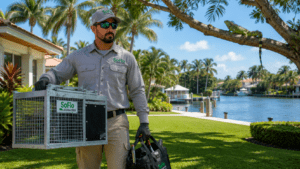
- Contacting professional wildlife control services for guidance and assistance.
Understanding the legal framework helps ensure ethical, effective wildlife management.
FAQ: Weather and Iguana Trapping in South Florida
Q: How long should I leave a trap set during a cold snap?
Ideally, avoid trapping during cold snaps. If trapping is necessary, monitor traps frequently to minimize stress on inactive iguanas.
Q: What bait works best when it’s raining?
Use sturdy, fragrant fruits like papaya or pieces of cantaloupe that hold scent and texture better in wet conditions.
Q: Can I trap iguanas in extreme heat?
Trapping in the hottest parts of the day is less effective and risks heat stress. Early morning or late afternoon is safer and more productive.
Q: Should I move traps during weather changes?
Yes—relocate traps to sheltered areas during rain or extreme weather to protect bait and ensure trap stability.
Q: Is professional help recommended for iguana trapping?
Absolutely. Professionals understand local regulations, humane trapping techniques, and can adapt strategies based on weather and habitat.
Conclusion: Weather Awareness Enhances Iguana Trapping Success
Weather conditions in South Florida—cold snaps, rain, and heat—significantly influence iguana behavior and trapping success. By tailoring trap setup, bait selection, and timing to these factors, homeowners and wildlife professionals can achieve more effective and humane outcomes. Always prioritize safety, follow legal guidelines, and consider professional assistance when handling iguana removal.
If you’re facing iguana issues in South Florida and want expert help that respects both the animals and local laws, contact SoFlo Iguana Pros at (561) 735-1975. Our experienced team is ready to assist with humane, weather-smart trapping solutions tailored to your needs.