Encountering an invasive iguana on your South Florida property can be unsettling. Many homeowners wonder if capturing and relocating these reptiles themselves is legal and safe. Understanding Florida’s unique regulations and humane wildlife control methods is essential before attempting to trap or move an iguana. This guide will help you navigate the legal landscape, provide practical advice for humane removal, and clarify what responsible relocation entails.
Florida Iguana Laws: What Homeowners Should Know
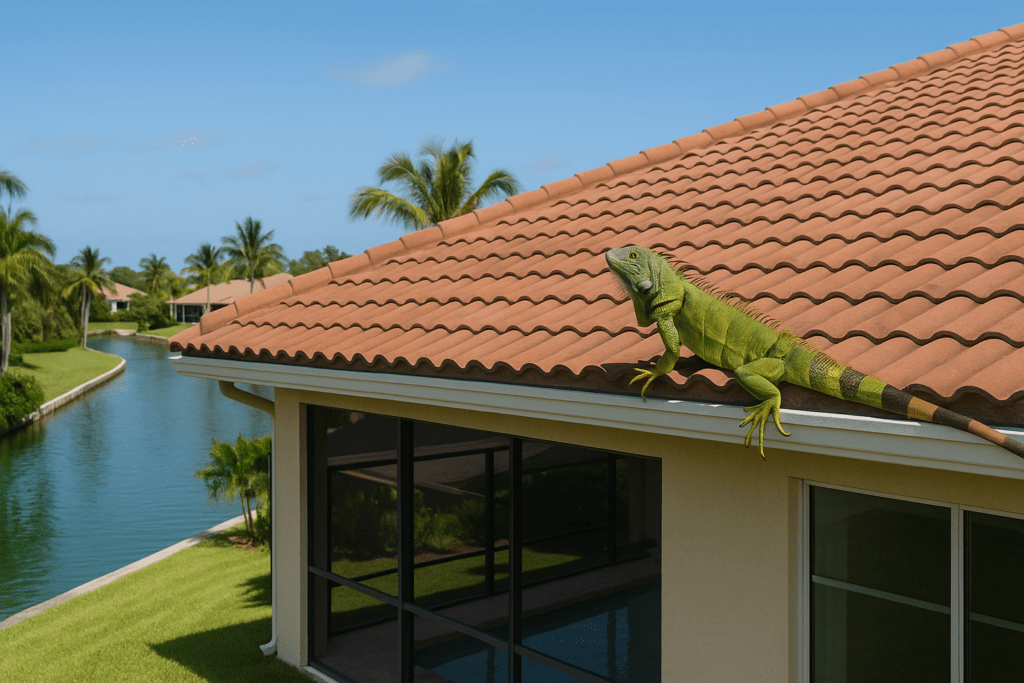
Green iguanas are non-native reptiles that have established populations across South Florida. While they are considered invasive and can cause property damage, Florida law has specific guidelines about handling them. Importantly:
- Iguanas are classified as a non-native species, but there are restrictions on relocating or transporting them across county lines or state borders.
- Capturing iguanas on your private property is generally permissible; however, releasing them elsewhere without proper authorization is prohibited to prevent spreading the population and ecological disruption.
- Relocation permits may be required for moving iguanas to authorized wildlife facilities or specific designated sites.
Ignoring these rules can lead to fines or complications, so it’s crucial that homeowners respect wildlife regulations when considering iguana removal or relocation.
Humane Removal: Why It Matters
Humane treatment during iguana trapping and removal is both an ethical responsibility and often a legal requirement. Stress, injury, or improper handling can harm the animal and create safety risks for people. Humane removal means:
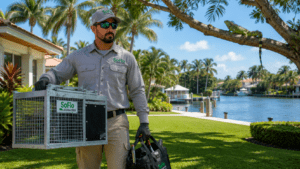
- Using traps designed to avoid injury, such as live cage traps with smooth edges.
- Minimizing handling time and stress by checking traps frequently.
- Handling iguanas gently with protective gloves and appropriate equipment.
- Ensuring safe transport to authorized facilities if relocation is allowed.
Hiring trained professionals who follow humane practices ensures that iguanas are handled respectfully and in compliance with laws.
Effective Trapping Tips for South Florida Iguanas
If you decide to trap an iguana on your property, here are some practical tips for success:
- Choose the Right Trap: Use a live cage trap large enough to hold the iguana comfortably, typically about 36 inches long.
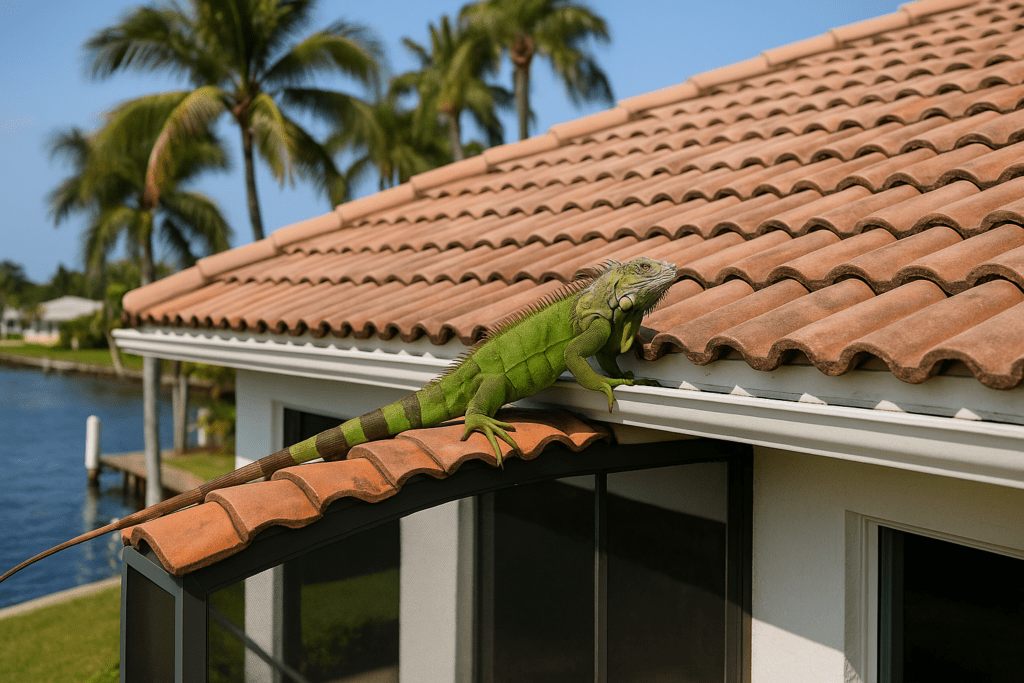
- Placement: Set traps near iguana hotspots like garden beds, compost piles, or sunny basking areas where they frequently appear.
- Bait Selection: Iguanas prefer leafy greens such as collard greens, kale, or romaine lettuce. Placing fresh fruit like mango or papaya nearby can also increase trap appeal.
- Regular Monitoring: Check traps at least twice daily to avoid stress or injury to the captured iguana.
- Safety Precautions: Wear gloves and long sleeves when handling traps or iguanas to protect against bites or scratches.
Following these steps improves your chances of humane capture while reducing risks to both you and the animal.
Why Relocating Iguanas Yourself Isn’t Recommended
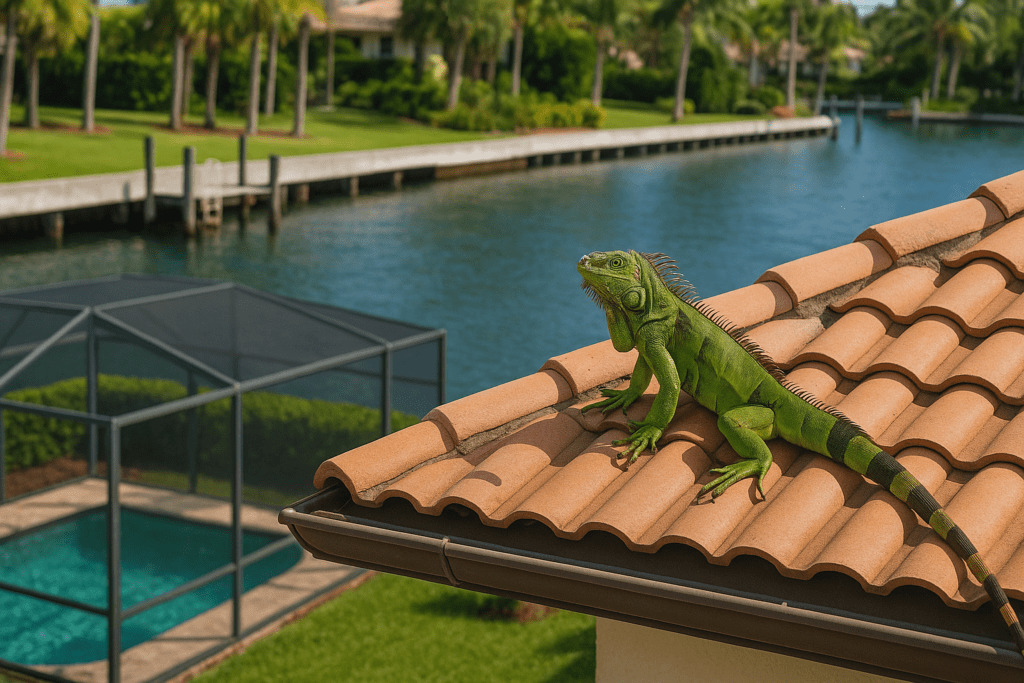
While the idea of catching and moving an iguana to a new location might seem like a simple solution, it comes with important drawbacks:
- Legal Risks: Unauthorized relocation is illegal and could result in penalties.
- Ecological Impact: Moving iguanas spreads invasive populations and disrupts local ecosystems.
- Animal Welfare: Transporting iguanas without proper care can cause injury or death.
- Potential Public Safety Concerns: Released iguanas may become a nuisance or threat in new neighborhoods.
Because of these factors, Florida encourages removal and euthanasia by licensed professionals or relocation only under strict regulatory oversight.
Safe Handling and Transport Considerations
If you have trapped an iguana and plan to work with wildlife professionals, keep these handling tips in mind:
- Minimize handling time and movement to reduce stress.
- Use secure containers with ventilation for transport.
- Keep the animal cool but not cold; avoid direct sunlight inside transport containers.
- Never release iguanas in public parks, natural preserves, or outside your immediate property.
Proper handling ensures the safety of both the iguana and the people involved.
Frequently Asked Questions About Iguana Relocation and Trapping
Q: Is it legal to trap and relocate iguanas in South Florida?
A: Trapping on private property is typically allowed, but relocating without permits or to unauthorized areas is illegal.
Q: Can I use homemade traps to catch iguanas?
A: Homemade traps may injure iguanas if not designed carefully. Using commercial humane traps is safer and more effective.
Q: What should I do after trapping an iguana?
A: Contact a licensed wildlife professional to handle removal or euthanasia in compliance with Florida regulations.
Q: Are iguanas dangerous to humans?
A: Iguanas are generally not aggressive but can bite or scratch when threatened, so handle with care.
Q: How can I prevent iguana damage to my property?
A: Remove food sources, cover plants, and use barriers or deterrents to discourage iguanas from settling.
When to Call SoFlo Iguana Pros for Expert Help
Removing invasive iguanas safely and legally requires expertise in South Florida’s unique environment and wildlife laws. SoFlo Iguana Pros specializes in humane iguana trapping, removal, and advice tailored to local conditions. Our trained team ensures compliance with regulations while minimizing harm to animals and property.
If you have iguana concerns or need professional removal in South Florida, call SoFlo Iguana Pros at (561) 735-1975. Protect your home responsibly with trusted local experts.