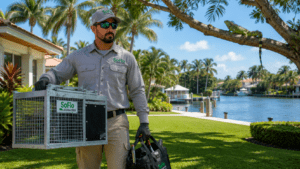
Managing iguanas in South Florida requires a thoughtful approach, especially when it comes to trapping. The success of humane iguana removal often hinges on where the trap is placed. This guide will walk you through the best locations for setting your iguana trap, focusing on burrows, travel paths, and other critical spots that increase your chances of a safe and effective catch.
Understanding Iguana Behavior in South Florida
Iguanas are native to Central and South America but have become prolific in South Florida’s warm climate. Their habits and movements are influenced by shelter, food, and environmental conditions. Recognizing these behaviors is key to identifying optimal trap locations.
They tend to favor burrows for shelter and often travel along consistent paths when moving between feeding areas and resting spots. By targeting these areas, you increase the likelihood of intercepting an iguana.
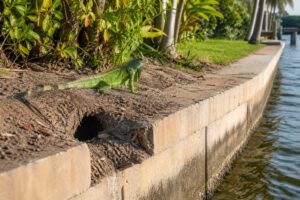
Identifying Active Iguana Burrows
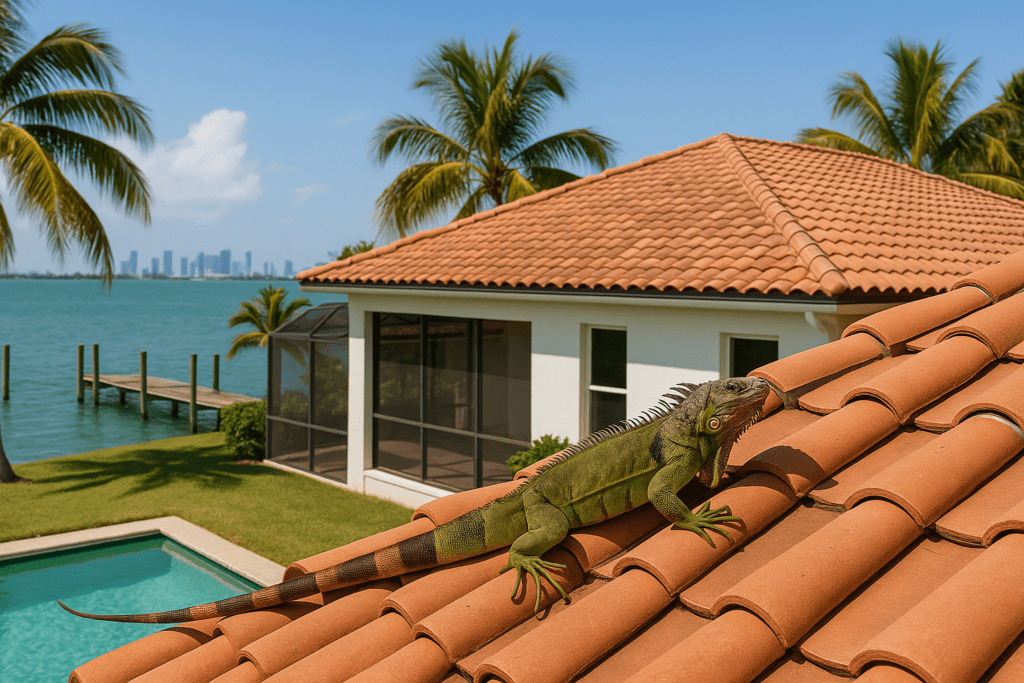
Burrows are one of the most reliable indicators of iguana activity. These underground shelters provide protection from predators and harsh weather.
- Look for freshly dug soil: Loose dirt around the entrance suggests recent use.
- Observe surrounding vegetation: Iguanas often clear plants near their burrow entrances.
- Check for tracks and droppings: These signs confirm active occupancy.
Placing traps near burrow entrances can capture iguanas as they emerge or return, but ensure traps do not block escape routes entirely to avoid stressing the animal.
Tracking Iguana Travel Paths

Iguanas frequently follow the same routes between feeding sites, basking areas, and burrows. These travel paths are often narrow corridors outlined by fences, walls, or dense foliage.
To locate travel paths:
- Watch for movement during early morning or late afternoon.
- Follow disturbed leaves or branches on the ground.
- Note areas where iguanas sun themselves regularly.
Setting traps along these routes increases the odds of a catch, especially if bait is placed strategically.
Choosing the Right Trap Location on Your Property
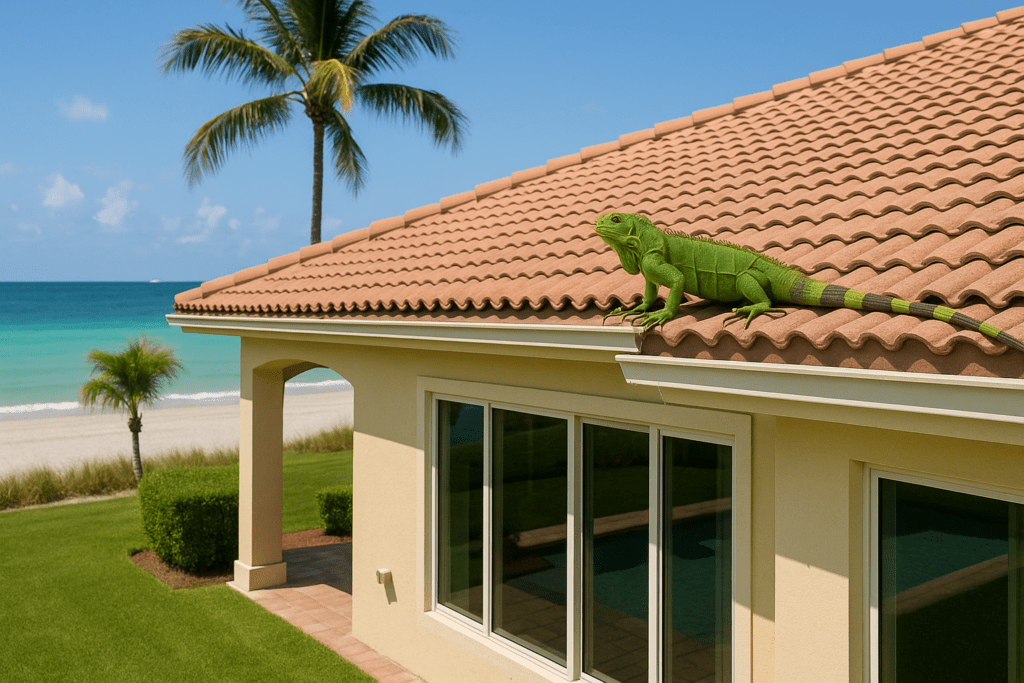
Your property’s unique features impact trap placement. Consider the following:
- Near fruit trees or gardens: Iguanas are attracted to ripe fruits and leaves.
- Close to water sources: Iguanas need hydration and often visit ponds or irrigation systems.
- Avoid high-traffic human areas: Traps placed where pets or children frequent can pose safety risks.
Always place traps in shaded or partially shaded spots to prevent overheating of captured iguanas.
Bait Selection and Trap Setup Tips
Using the right bait increases trap effectiveness. Iguanas prefer fresh fruits and vegetables such as mango, papaya, or leafy greens. Secure bait at the far end of the trap to encourage full entry.
Additional setup advice includes:
- Camouflage traps with natural materials to avoid alarming iguanas.
- Check traps frequently to minimize stress on captured animals.
- Wear gloves when handling traps for safety and hygiene.
Legal and Humane Considerations in South Florida
It’s important to follow local regulations when trapping iguanas to ensure humane treatment and compliance with wildlife laws. Iguanas are considered an invasive species in South Florida, but proper handling and relocation should align with guidelines.
Always prioritize:
- Using traps designed for live capture.
- Minimizing injury and stress to the animal.
- Contacting professional wildlife control if unsure about legal or humane protocols.
Frequently Asked Questions
How close should a trap be to an iguana burrow?
Place the trap within a few feet of the burrow entrance but avoid blocking the tunnel entirely to allow natural movement and reduce stress.
What time of day is best to check traps?
Check traps at least twice daily, ideally in the early morning and late afternoon, when iguanas are most active and temperatures are moderate.
Can I use commercial lures instead of fresh fruit?
Fresh fruit is typically more effective, but some commercial lures may work. Always test bait options in your area to see what attracts iguanas best.
Is it safe to handle iguanas myself?
Handling iguanas can be risky due to their sharp claws and tails. If you’re inexperienced, contact a professional to ensure safe and humane removal.
What if I catch a non-target animal?
Release any non-target animals immediately and relocate the trap to avoid repeated captures. Use traps designed specifically for iguanas.
Conclusion: Effective Trap Placement with SoFlo Iguana Pros
Success in iguana trapping starts with smart trap placement—targeting burrows, travel paths, and favorite feeding areas on your South Florida property. Coupled with proper baiting, regular monitoring, and adherence to humane and legal standards, you can manage iguana populations responsibly.
If you need expert assistance with iguana removal or advice on humane trapping, contact SoFlo Iguana Pros at (561) 735-1975. Our local knowledge and professional approach ensure safe, effective wildlife control tailored to South Florida’s unique environment.