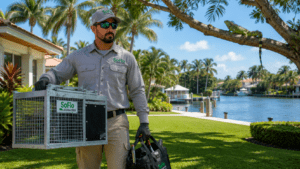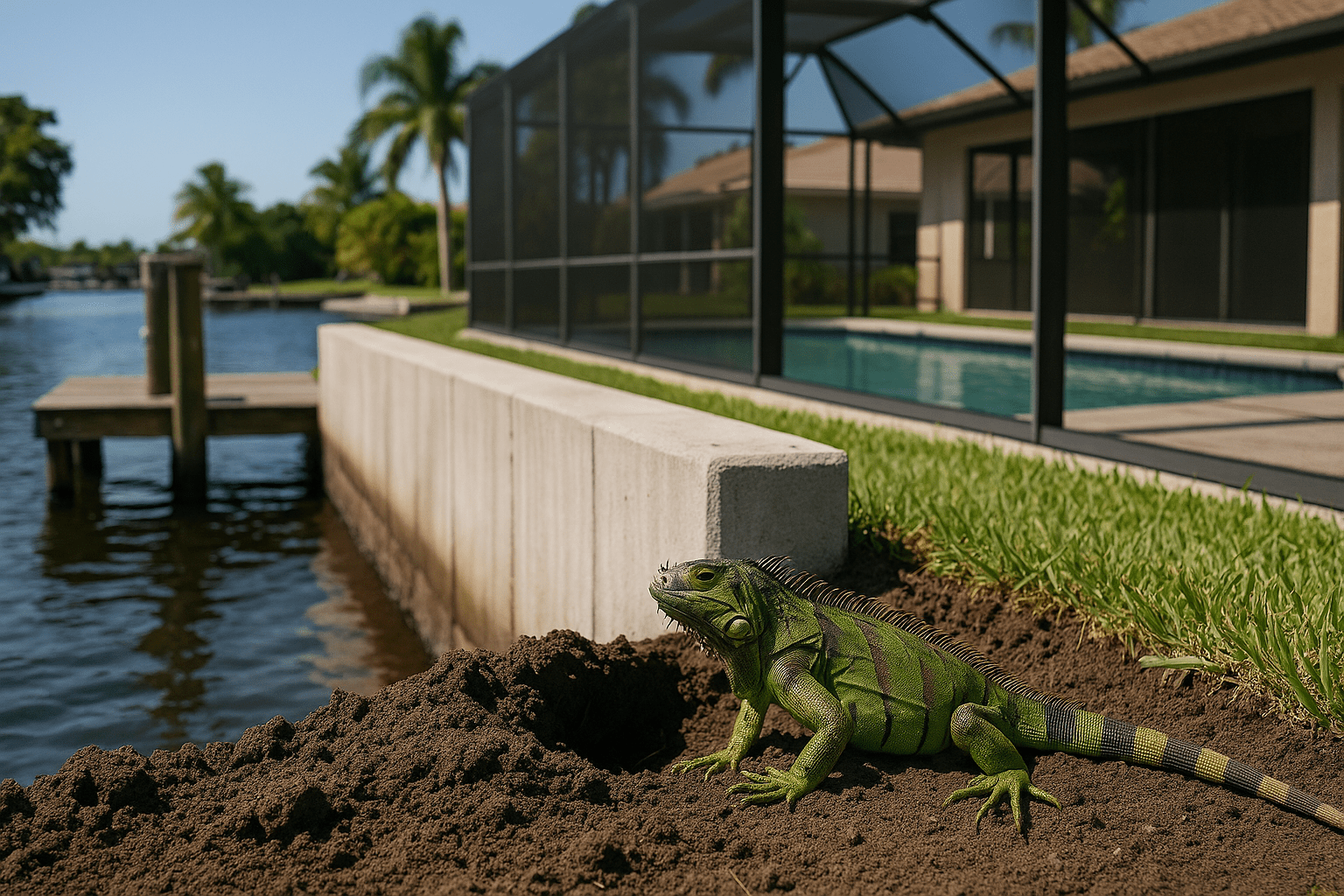
In South Florida, dealing with iguanas in your yard or garden can be frustrating, especially when traps seem to go unnoticed. If you’ve set a trap only to find iguanas walking right past it, you’re not alone. Understanding why iguanas ignore some traps is key to improving your trapping success and ensuring humane, legal handling.
Common Mistakes That Make Iguanas Avoid Traps
There are several reasons iguanas might steer clear of traps, often linked to how the trap is set up. Common errors include:
- Wrong bait choice: Iguanas are picky eaters; using ineffective bait reduces interest.
- Poor bait placement: Bait that’s hard to reach or placed outside the trap’s triggering zone won’t attract iguanas.
- Lack of camouflage: Traps that look unnatural or shiny can make iguanas suspicious.
- Incorrect trap location: Setting traps away from iguana paths or favorite basking spots decreases chances of encounters.
- Human scent and disturbance: Frequent handling or strong odors can scare iguanas away.
Choosing the Right Bait for Successful Iguana Trapping

South Florida iguanas prefer fresh, leafy greens and certain fruits. Popular bait options include:
- Collard greens or kale
- Tomatoes or strawberries
- Sweet potatoes or mango slices
Using fresh, ripe produce placed inside the trap’s trigger area is essential. Avoid bait that has been handled excessively or is dried out, as iguanas rely on scent and freshness.
Effective Bait Placement: Getting It Just Right

Placement is critical. The bait should be positioned so the iguana must fully enter the trap to reach it, triggering the mechanism. Tips for bait placement:
- Place bait at the far end of the trap, opposite the entrance.
- Secure the bait so it doesn’t roll or fall out prematurely.
- Check that the bait doesn’t block the trap door or trigger plate.
Incorrect placement can allow iguanas to nibble without activating the trap.
Camouflage: Making Traps Blend Into the Environment
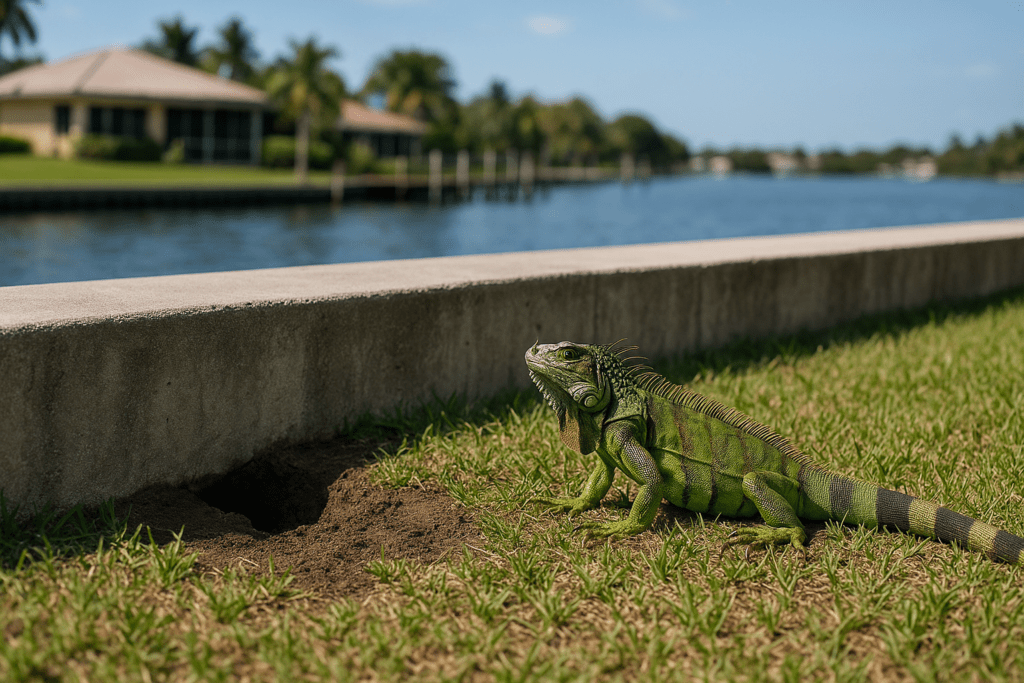
Iguanas are naturally wary of unfamiliar objects. A brightly colored or shiny trap can raise suspicion. To improve acceptance:
- Cover traps with natural materials such as leaves, branches, or grass.
- Choose traps with muted colors or paint them to match surroundings.
- Set traps near natural shelter or under shade to mimic iguana habitats.
Reducing the visual impact of traps encourages iguanas to approach without alarm.
Legal and Humane Considerations in Iguana Trapping
South Florida has regulations regarding wildlife control and iguana removal. It’s important to:
- Use only legal trap types approved for iguanas.
- Check traps frequently to minimize stress and harm.
- Handle captured iguanas humanely and follow local guidelines for relocation or removal.
Improper trapping can lead to injury or violation of wildlife laws, so staying informed and responsible is essential.
Safety Tips When Setting and Monitoring Iguana Traps
Protect yourself and your property by following these guidelines:
- Wear gloves when handling traps and bait to reduce scent transfer and avoid injury.
- Keep children and pets away from trap areas.
- Inspect traps daily to release non-target animals and prevent prolonged capture.
- Avoid trapping during extreme weather to reduce stress on animals.
Frequently Asked Questions About Iguanas Ignoring Traps
Q1: Can iguanas see trap mechanisms and avoid them?
Yes, iguanas have keen eyesight and may avoid traps that look unnatural or have visible moving parts.
Q2: How often should I check my traps?
Daily checks are recommended to ensure humane treatment and prevent harm to trapped animals.
Q3: What if other animals get caught in my iguana trap?
Release non-target species carefully and promptly. Use trap designs that minimize unintended captures.
Q4: Can I reuse bait or traps after an iguana escapes?
Remove old bait and clean traps before reuse to reduce scent cues that might deter iguanas.
Q5: Are there better alternatives to trapping for iguana control?
In some cases, habitat modification and professional removal services can complement trapping efforts for effective management.
Successfully trapping iguanas in South Florida requires attention to detail, patience, and respect for local wildlife laws. If your traps keep getting ignored, reviewing these common pitfalls can make a big difference.
For expert assistance with humane iguana trapping and removal, contact SoFlo Iguana Pros at (561) 735-1975. Serving the South Florida community with safe, effective wildlife control solutions.