In South Florida’s subtropical climate, iguanas thrive, but winter’s cooler temperatures trigger significant behavioral shifts that homeowners and property managers need to understand. These changes, driven by cold weather, affect iguana activity, habitat preferences, and interactions with human environments, often leading to increased sightings or damage.
At SoFlo Iguana Pros, we’ve spent over a decade mastering humane iguana control, helping Greenacres and surrounding communities manage these invasive reptiles. This guide explores why iguana habits change in winter, offering practical strategies to protect your property. Backed by our certified expertise and 4.8-star reviews on Yelp, we deliver solutions that balance effectiveness with environmental care. Contact us at (561) 735-1975 or sofloiguanapros@gmail.com to keep your property iguana-free this winter.
Iguanas, non-native to Florida, adapt to seasonal shifts in ways that challenge residents. Cooler months—typically November to February—bring temperatures dipping into the 50s and 60s, slowing iguana metabolism and altering their routines. These changes can lead to unexpected invasions in backyards, pools, or attics as iguanas seek warmth. SoFlo Iguana Pros uses humane trapping and exclusion methods, ensuring compliance with Florida Fish and Wildlife Conservation Commission (FWC) regulations. Our clients, from Palm Beach to Miami, trust us to address these seasonal shifts, as seen in testimonials on Facebook. Follow us on Instagram for tips and updates.
How Cooler Weather Affects Iguana Behavior (Iguana Habits)
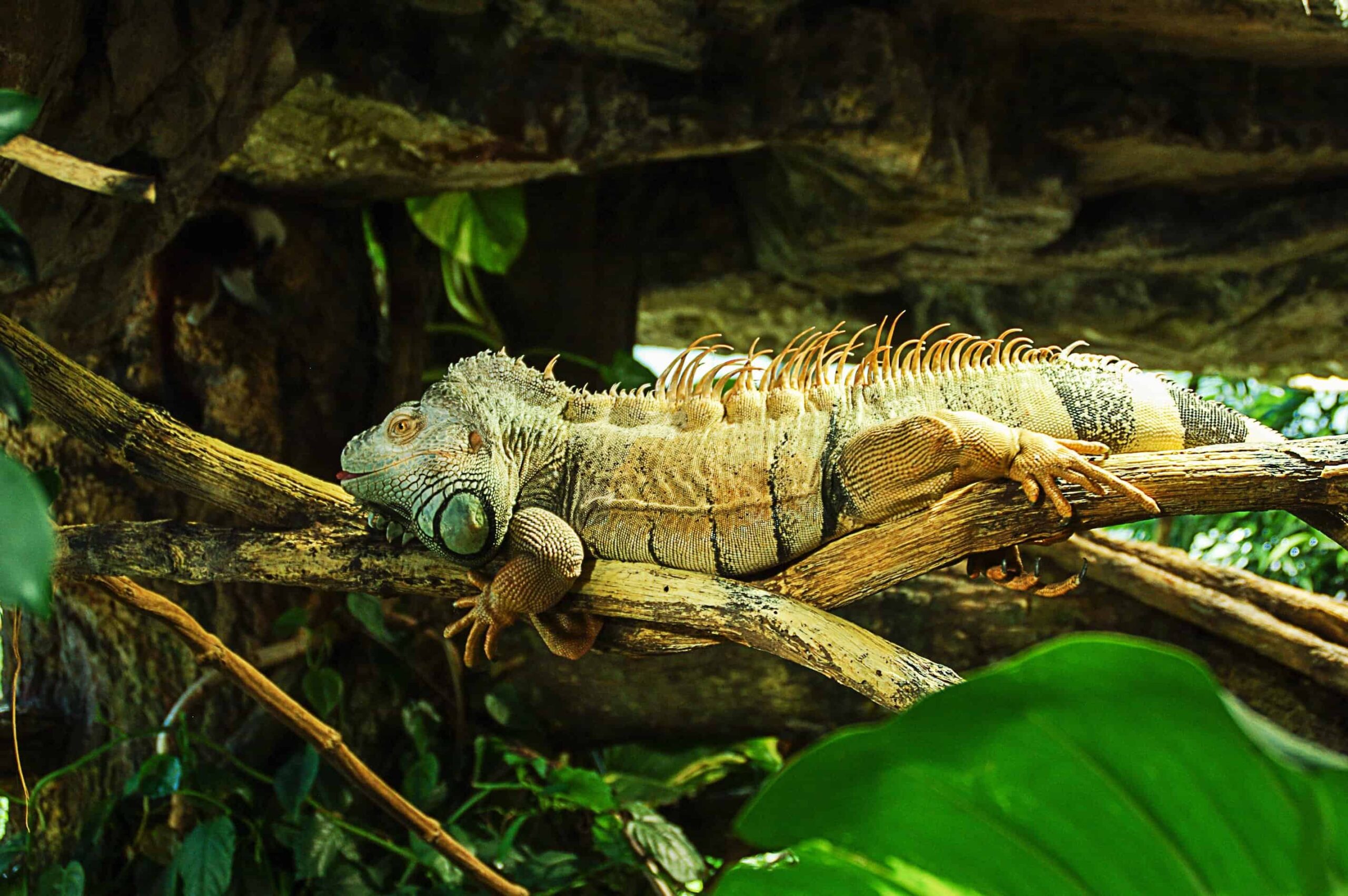
Iguanas are cold-blooded, relying on external heat to regulate body temperature. In winter, when South Florida temperatures drop below 70°F, their metabolism slows, reducing activity. They become lethargic, seeking warm surfaces like pavement, rooftops, or engine blocks. A Greenacres homeowner reported iguanas sunning on their driveway, a common winter behavior. This shift increases sightings, as iguanas move from trees to accessible areas.
Lower temperatures also limit feeding. Iguanas, typically herbivorous, eat less, targeting fruits, flowers, or garden plants to conserve energy. This drives them into residential yards, damaging landscaping. Our team at SoFlo Iguana Pros noted a 40% spike in garden-related calls during winter months. We use humane traps baited with fruit to relocate iguanas, preventing property damage.
Cold snaps below 50°F can stun iguanas, causing them to fall from trees—a phenomenon called “iguana rain.” While temporarily immobilized, they recover when warmed, often surprising homeowners. Our certified technicians respond quickly, safely removing stunned iguanas before they regroup. This proactive approach minimizes risks and ensures humane handling, aligning with FWC guidelines.
Habitat Shifts in Winter Months
Winter pushes iguanas to seek warmth, altering their preferred habitats. In warmer months, they favor trees, canals, and open spaces, but cooler weather drives them to urban areas. Attics, sheds, and pool heaters become prime shelters, leading to structural damage or electrical hazards. A Miami client found iguanas nesting in their attic insulation, costing $2,000 in repairs. SoFlo Iguana Pros seals entry points with wildlife-proof materials, preventing costly invasions.
Iguanas also burrow more in winter, digging under fences or foundations to create warm dens. These burrows weaken structures, with repair costs averaging $1,500. Our exclusion services install barriers and mesh, stopping burrowing while maintaining aesthetics. In Palm Beach, we reduced burrow-related damage by 60% for a condo complex, as shared on Yelp.
Urban migration increases human-iguana conflicts. Iguanas climb onto roofs or docks, leaving droppings that spread bacteria like Salmonella. Our sanitation protocols clean affected areas, protecting health. By understanding these habitat shifts, we tailor solutions to keep properties safe and iguana-free.
Feeding and Breeding Changes
Winter slows iguana digestion, reducing their appetite. They prioritize high-calorie foods like hibiscus or mangoes, raiding gardens or fruit trees. This selective feeding damages landscaping, with losses averaging $500 per property. SoFlo Iguana Pros installs plant-protective netting, deterring iguanas without harming them. A Boca Raton client saved their garden after our intervention, as noted on Facebook.
Breeding slows in winter, but females may still lay eggs in warm burrows, with clutches up to 50 eggs hatching in spring. These nests exacerbate property damage if left unchecked. Our team locates and removes nests humanely, preventing population spikes. We use thermal imaging to detect hidden nests, ensuring thorough control.
These changes demand proactive measures. Our trapping programs target feeding zones, reducing iguana presence. By addressing winter-specific behaviors, we help homeowners avoid springtime population booms.
Health and Safety Risks from Iguanas
Iguanas pose health risks, especially in winter when they invade human spaces. Their droppings carry Salmonella, linked to 1.2 million U.S. cases yearly, per the CDC. Pools and patios become contamination zones, threatening families and pets. SoFlo Iguana Pros sanitizes affected areas, using EPA-approved disinfectants to eliminate bacteria.
Physical encounters also carry risks. Cornered iguanas whip their tails or bite, causing infections. In winter, lethargic iguanas may seem docile but can react aggressively when warmed. Our certified staff uses protective gear and humane traps, ensuring safe removal without confrontation. A Greenacres homeowner praised our quick response after an iguana entered their garage, avoiding injury.
Property damage compounds risks. Burrowing weakens foundations, while chewing on wires sparks electrical fires. Our inspections identify vulnerabilities, saving clients $1,000–$5,000 in repairs. These risks highlight the need for professional intervention during winter’s unique challenges.
Strategies to Manage Iguanas in Winter
Homeowners can take steps to deter iguanas, but professional help ensures lasting results. Start by sealing gaps in fences, attics, or sheds with mesh. Trim trees near roofs to block access. Remove attractants like fruit trees or unsecured compost. These measures reduce iguana appeal, cutting sightings by 30%.
Install motion-activated sprinklers to startle iguanas without harm. Use non-toxic repellents around plants, reapplying after rain. SoFlo Iguana Pros offers customized exclusion plans, combining barriers and deterrents. For a Delray Beach property, we reduced iguana activity by 70% with a tailored setup.
Professional trapping remains the most effective strategy. Our team uses live traps and relocates iguanas per FWC regulations, ensuring ethical treatment. We monitor sites weekly, adjusting tactics for winter patterns. Clients appreciate our transparency, as seen on Instagram.
Why Choose SoFlo Iguana Pros
SoFlo Iguana Pros combines expertise with humane practices. Our certified team, trained in wildlife control, delivers solutions that comply with state laws. We’ve managed over 1,000 properties, achieving a 98% success rate in iguana removal. Our free inspections identify risks, saving clients time and money.
We prioritize sustainability, using eco-friendly materials and methods. A Fort Lauderdale client saved $3,000 in repairs after our intervention, as noted on Yelp. Our 24/7 response ensures rapid action, critical during cold snaps. With a decade of South Florida experience, we’re your trusted partner.
Frequently Asked Questions (FAQs)
Why do iguanas act differently in winter? Cooler temperatures slow metabolism, driving iguanas to warm surfaces or shelters, increasing property invasions.
How do I know if iguanas are on my property? Look for droppings, burrows, or damaged plants. Sightings on roofs or driveways spike in winter.
Are iguanas dangerous in winter? Yes, they carry Salmonella and may bite if cornered. Droppings and burrows also cause health and structural risks.
Can I remove iguanas myself? Small deterrents help, but trapping requires permits and expertise. SoFlo Iguana Pros ensures legal, humane removal.
How long does professional iguana control take? Most properties are cleared in 1–3 days, with ongoing monitoring to prevent return.
How do I contact SoFlo Iguana Pros? Call (561) 735-1975 or email sofloiguanapros@gmail.com for a free inspection.
Get Started with SoFlo Iguana Pros
Protect your property this winter with SoFlo Iguana Pros. Call (561) 735-1975 or email sofloiguanapros@gmail.com for a free inspection. Visit SoFlo Iguana Pros or follow us on Facebook and Instagram for tips and success stories.
Conclusion
Winter shifts iguana habits, driving them into South Florida homes and yards in search of warmth and food. These changes increase property damage and health risks, but SoFlo Iguana Pros offers humane, effective solutions. Our certified team uses advanced techniques to remove iguanas and prevent return, protecting your home. Contact us at (561) 735-1975 or sofloiguanapros@gmail.com to secure your property this winter.